Key Highlights
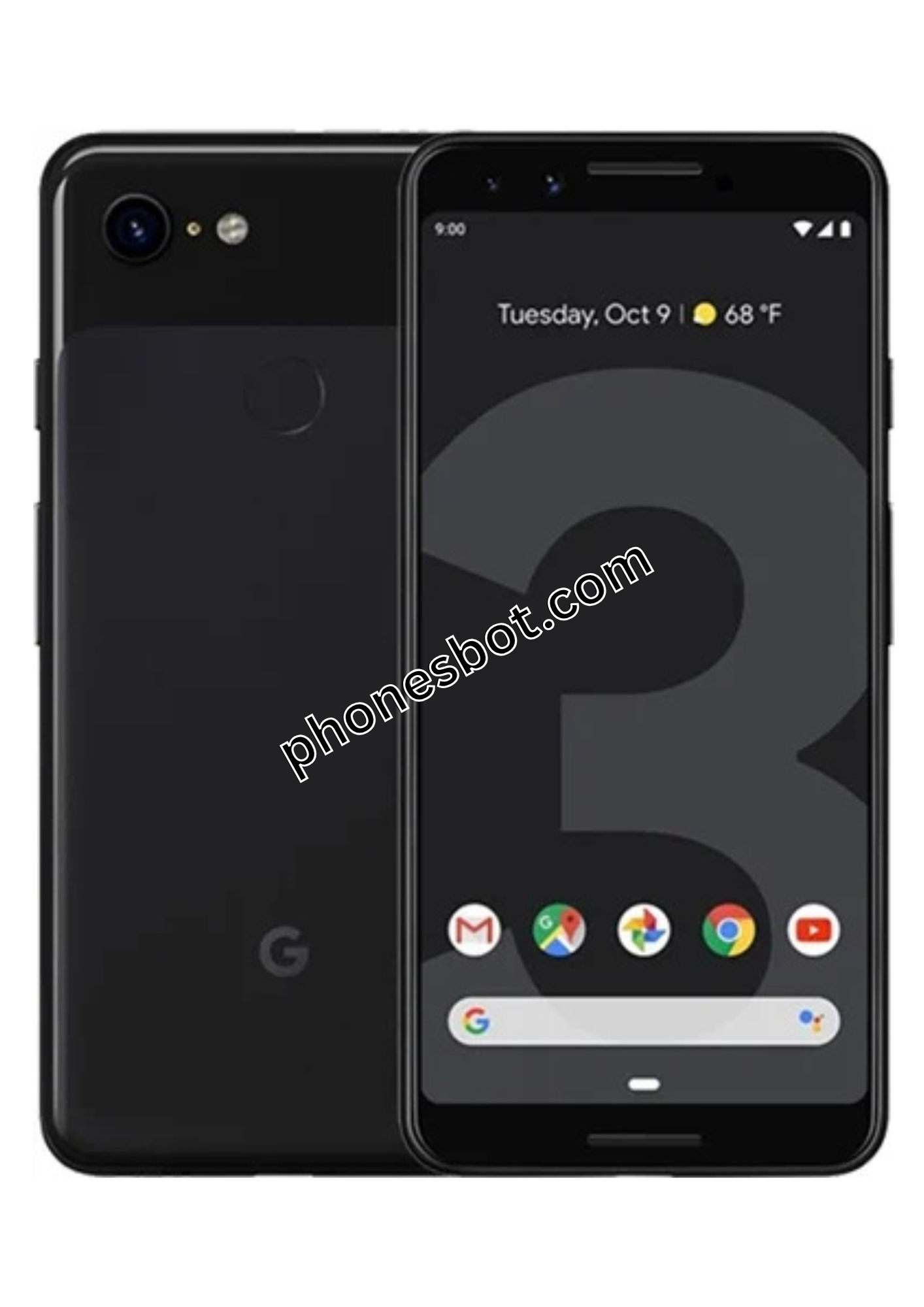
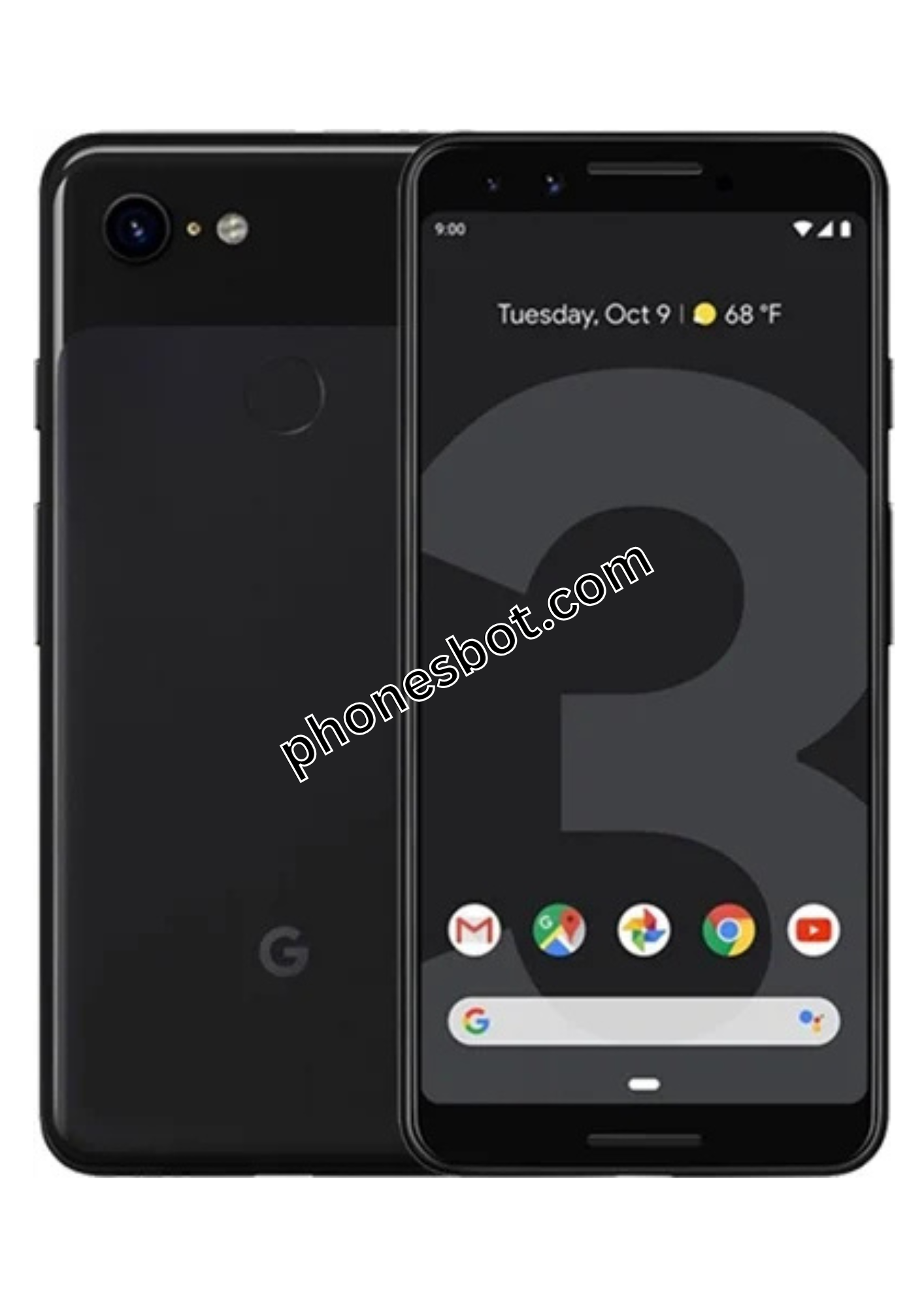
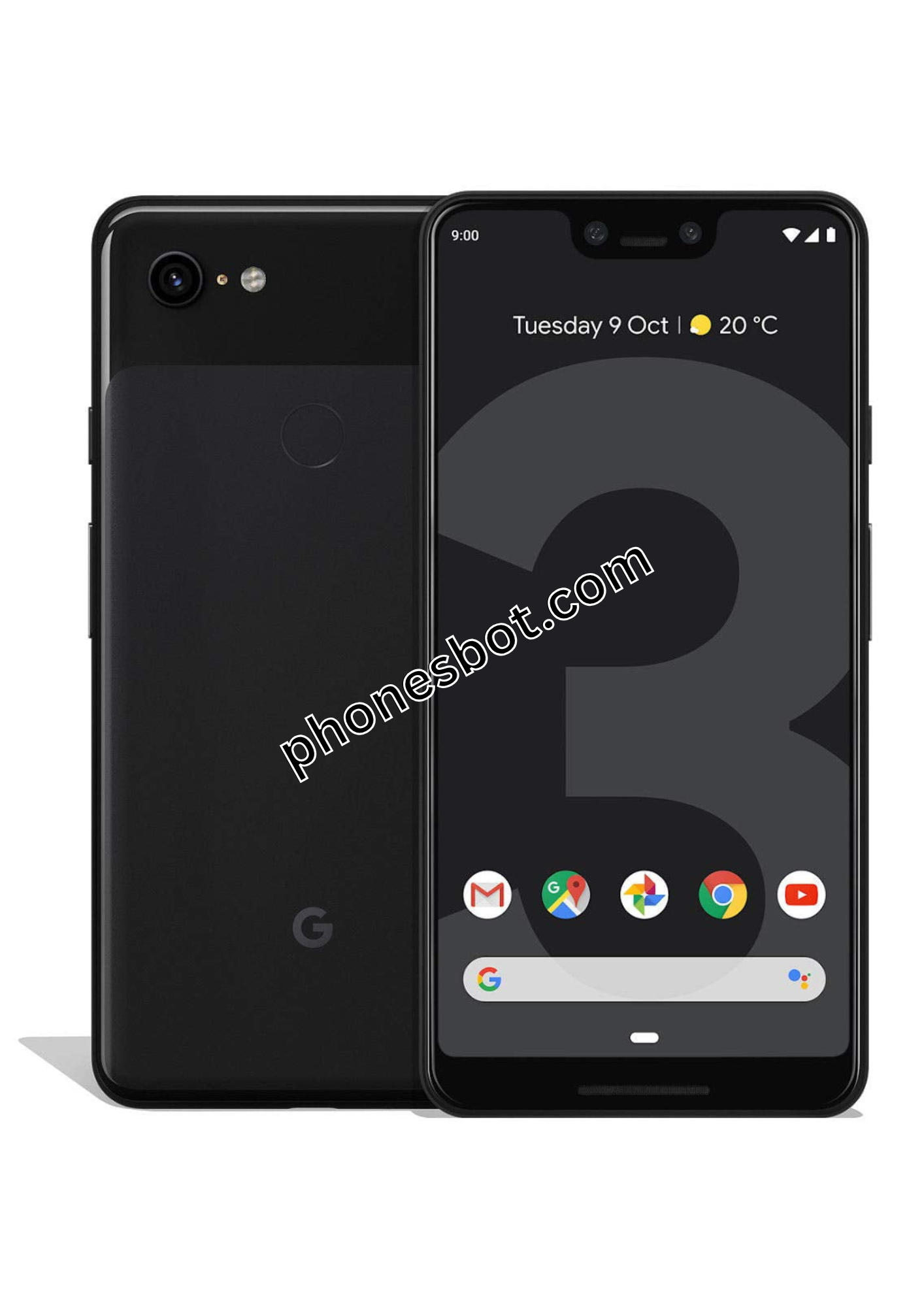
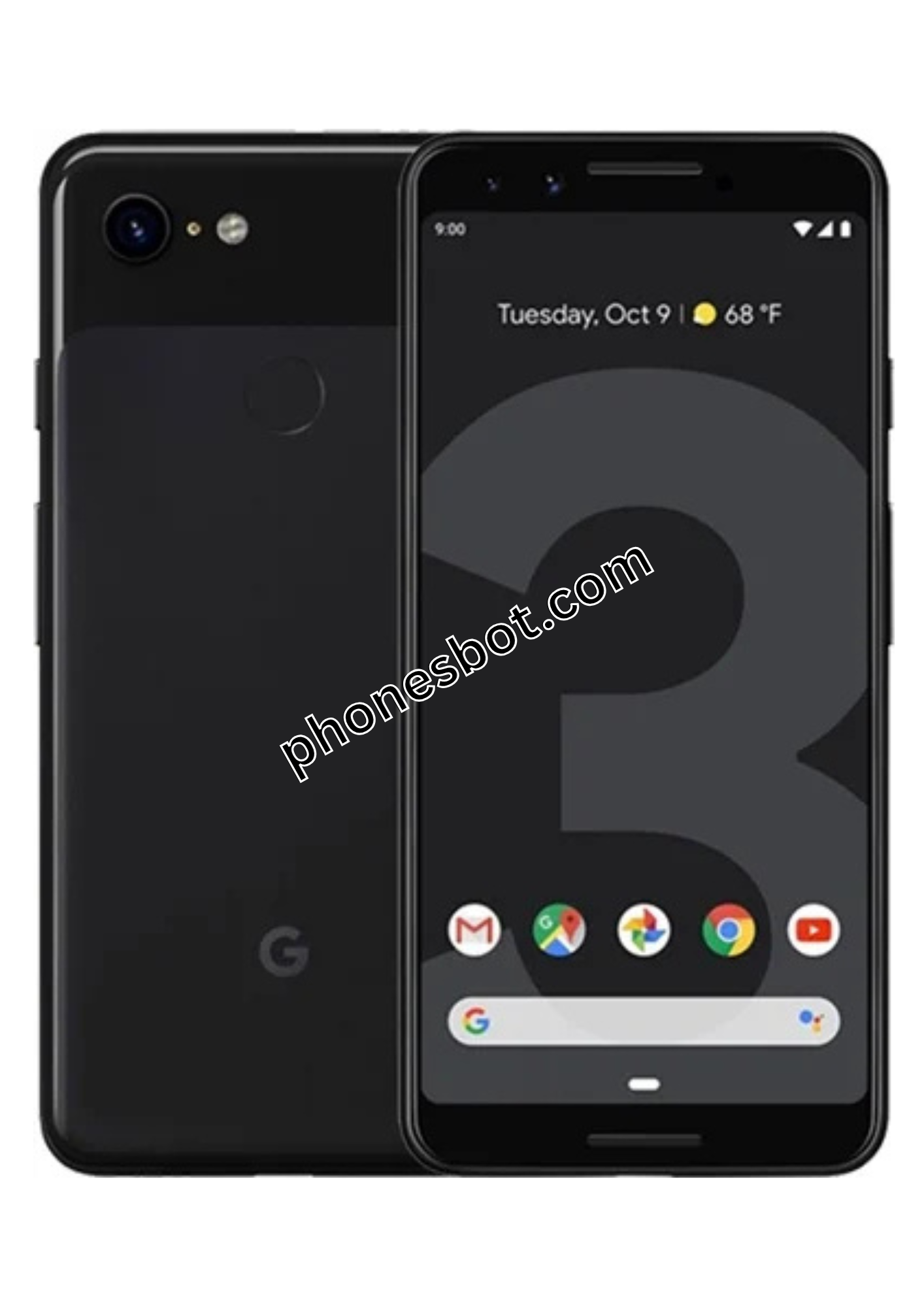
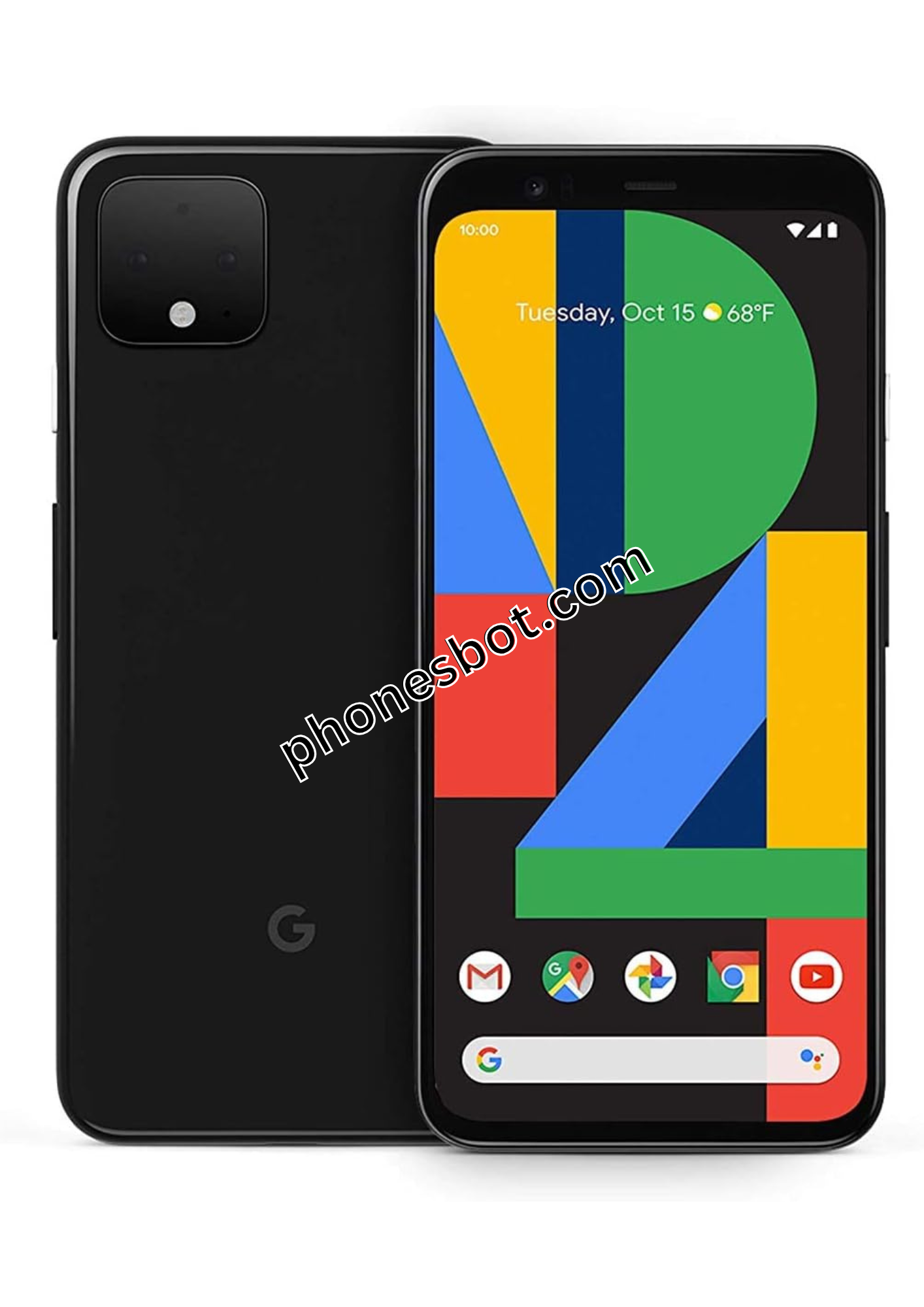
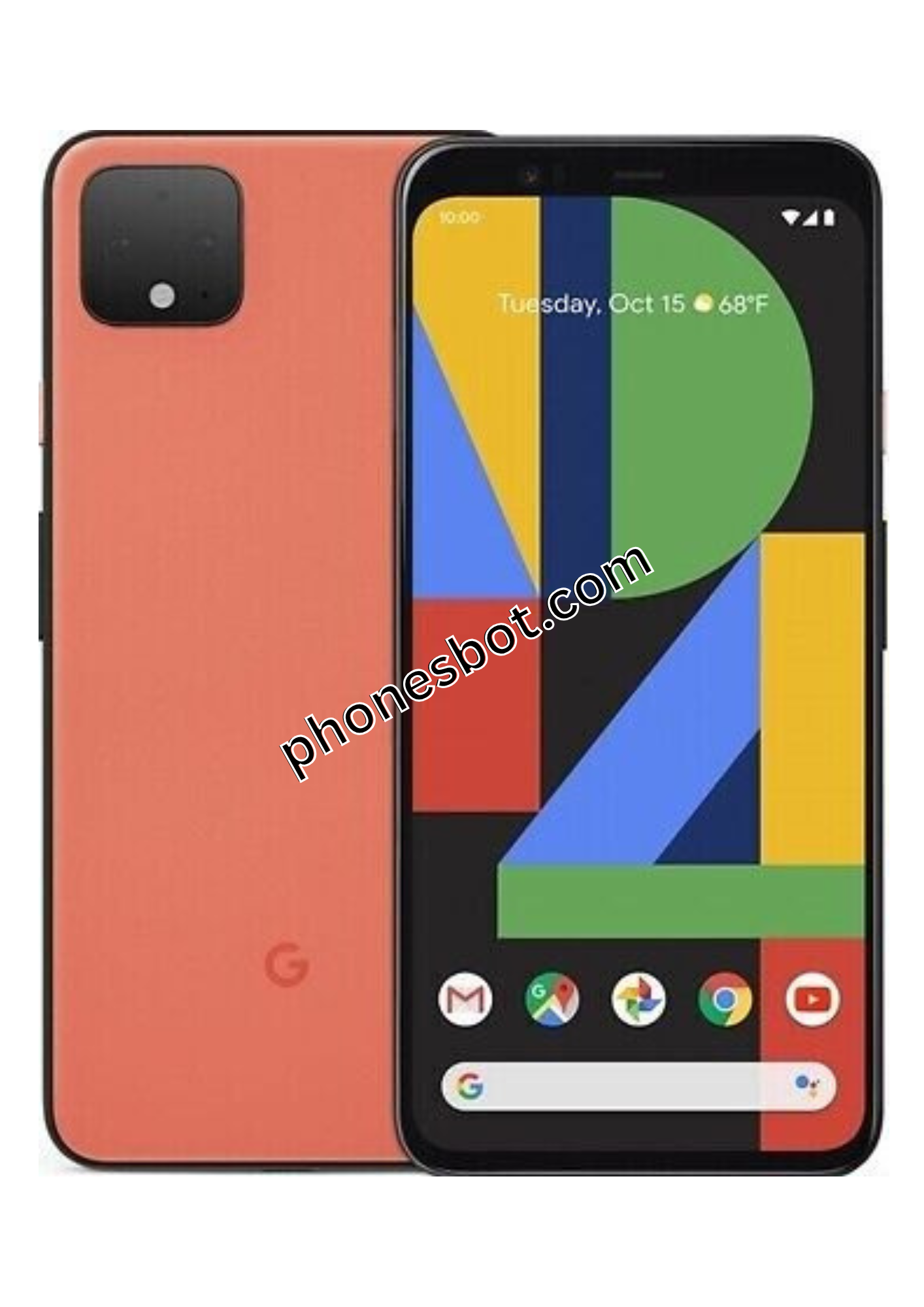
The Google Pixel 4 and Pixel 4 XL mark the next evolution in Google’s flagship smartphone lineup. After months of leaks, speculation, and anticipation, these devices have finally arrived — and while they bring notable improvements, they also raise familiar questions about Google’s hardware direction. Let’s start with the basics. The Pixel 4 series refines Google’s minimalist design language, featuring a matte glass back, aluminum frame, and a distinctive square camera bump. The smaller Pixel 4 sports a 5.7-inch display, while the Pixel 4 XL steps up to 6.3 inches — both featuring OLED panels with a smooth 90Hz refresh rate. However, that high refresh rate doesn’t always stay active, a quirk that disappointed some early users. Performance-wise, both phones are powered by the Snapdragon 855 processor paired with 6GB of RAM — a welcome upgrade from previous generations, though not class-leading compared to rivals like Samsung or OnePlus. Day-to-day operation is fluid, thanks largely to Google’s optimized Android 10 experience, but the real star, as always, is the camera. Google finally added a second rear camera — a 16MP telephoto lens alongside the primary 12.2MP sensor. The results are exceptional. Photos are crisp, balanced, and detailed, continuing Google’s dominance in computational photography. Night Sight and Astrophotography Mode push low-light photography to new levels, capturing stunning detail in near darkness. However, the omission of an ultra-wide camera is a surprising drawback in 2019, especially when nearly every competitor includes one. One of the most interesting additions is Motion Sense, powered by Google’s Soli radar chip, which allows users to control the phone with hand gestures and enables faster face unlock. While the technology feels futuristic, its usefulness in daily life is limited, making it more of a novelty than a necessity. Battery life is another area where the Pixel 4 line falters. The smaller Pixel 4, in particular, struggles to last a full day under heavy use — a major weakness for a premium flagship. The XL version fares better but still lags behind competitors. Despite its flaws, the Pixel 4 and 4 XL shine in areas that matter most to Google fans — software, photography, and user experience. Features like Call Screen, Now Playing, and the new Recorder app with real-time transcription showcase Google’s unmatched software innovation. In conclusion, the Pixel 4 and Pixel 4 XL are polished, smart, and capable phones that showcase Google’s strengths in AI and photography — but they also highlight ongoing hardware compromises. They’re not perfect, but for Android purists and photography enthusiasts, they remain among the best experiences available. Whether steady progress is enough to justify the price tag depends on what you value most in a smartphone.
Full Specifications
Display
- Type
- OLED
- Size
- 6.3 inches
- Resolution
- 1440 × 3040 pixels
- Aspect ratio
- 19:9
- PPI
- 537 ppi
- Refresh rate
- 90 Hz
- Adaptive refresh rate
- Yes, (60 Hz–90 Hz)
- Max rated brightness
- 600 nits
- Max rated brightness in HDR
- 444 nits
- HDR support
- HDR10+
- Screen protection
- Gorilla Glass 5
- Screen-to-body ratio
- 81.3%
- Display features
- DCI-P3 | Always-On Display | Ambient EQ | HDR10+
- Display tests
- Contrast ratio: ∞ (nominal), PWM: 240 Hz, Color accuracy: ΔE < 1.5
- Sources
- Wikipedia
Design & Build
- Height
- 160.4 mm (6.32 in)
- Width
- 75.1 mm (2.96 in)
- Thickness
- 8.2 mm (0.32 in)
- Weight
- 193 g
- Waterproof
- IP68
- Advanced cooling
- None
- Rear material
- Glass
- Frame material
- Aluminum
- Colors
- Just Black | Clearly White | Oh So Orange
- Fingerprint scanner
- No
- Screen-to-body ratio (design)
- 81.3%
Performance
- Chipset brand
- Qualcomm
- Chipset model
- Qualcomm Snapdragon 855
- Max clock
- 2840 MHz
- CPU cores
- 8 (1 + 3 + 4)
- Architecture
- 1× Kryo 485 Gold (Cortex-A76) @ 2.84 GHz + 3× Kryo 485 Gold @ 2.42 GHz + 4× Kryo 485 Silver (Cortex-A55) @ 1.78 GHz
- Manufacturing
- TSMC
- Lithography process
- 7 nm
- Neural processor (NPU)
- Yes
- Graphics
- Adreno 640
- GPU shading units
- 384
- GPU clock
- 585 MHz
- FLOPS
- 718 GFLOPS
- Geekbench 6 (Single-Core)
- 800
- Geekbench 6 (Multi-Core)
- 2900
- Geekbench Compute (GPU)
- 3400
- AnTuTu v10
- 628754
- Benchmarks notes
- https://nanoreview.net/en/benchmark-ranking/google-pixel-4-xl
Memory
- RAM size
- 6 GB
- Memory type
- LPDDR4X
- Channels
- 2
- Storage size
- 64 GB / 128 GB
- Storage type
- UFS 2.2
- Memory card
- No
Software
- Operating system
- Android 13
- ROM
- Stock Android
- OS size
Battery
- Capacity
- 3700
- Max charge power
- 18 W
- Battery type
- Li-Po
- Replaceable
- No
- Wireless charging
- Yes (12 W)
- Reverse charging
- No
- Fast charging
- 50% in 36 minutes
- Full charging time
- 1 hour 45 minutes
- Battery life tests
- Web browsing: 8h 30m, Video playback: 9h 20m, Talk time: ~23h
- General battery life
- 17 hours (mixed usage)
Main camera
- Matrix
- 12 MP + 16 MP
- Image resolution
- 4032 × 3024 pixels
- Zoom
- Optical, 2x
- Flash
- Dual LED
- Stabilization
- Optical + Electronic
- 8K video recording
- No
- 4K video recording
- Up to 30FPS
- 1080p video recording
- Up to 60FPS
- Slow motion
- 720p @ 240fps
- Angle of widest lens
- No ultra-wide lens
- Camera features
- Dual Pixel PDAF | HDR+ | Night Sight | Portrait Mode | Super Res Zoom | Motion Photos | Dual Exposure Controls | Live HDR+ | Panorama | RAW Support
- Lenses
Selfie camera
- Megapixels
- 8 MP
- Image resolution
- 3264 × 2448 pixels
- Aperture
- f/2.0
- Focal length
- 22 mm
- Sensor
- Sony IMX355
- Sensor size
- 1/4.0"
- Pixel size
- 1.22 µm
- Autofocus
- Phase autofocus
- Stabilization
- Electronic
- Video resolution
- 1080p@30
- Depth sensor (TOF 3D)
- Yes
Connectivity
- Wi-Fi standard
- Wi-Fi 5 (802.11ac)
- Wi-Fi features
- Dual Band | Wi-Fi Direct | Hotspot | MIMO
- Bluetooth version
- 5.0
- Bluetooth features
- A2DP | LE | aptX HD
- USB type
- USB Type-C
- USB version
- 3.1
- USB features
- Charging | OTG | Data Transfer
- DisplayPort
- No
- GPS
- GPS | GLONASS | Galileo | QZSS
- NFC
- Yes
- Infrared port
- No
Sound
- Speakers
- Stereo
- Headphone audio jack
- Yes
- FM radio
- No
- Dolby Atmos
- No
- Speakers test
- Max loudness: ~89.3 dB
Network
- Number of SIM
- 2
- Type of SIM card
- Nano
- Multi SIM mode
- Standby
- eSIM support
- Yes
- Hybrid slot
- No
- 2G network
- 850, 900, 1800, 1900 MHz
- 3G network
- 1, 2, 4, 5, 6, 8, 19
- 4G network
- 1/2/3/4/5/7/8/12/17/18/19/20/21/26/28/32/38/39/40/41/42/66/75
- 5G support
- No
Other
- Category
- Flagship
- Announced
- October 2019
- Release date
- October 2019
- Launch price (MSRP)
- ₹ 83,900
- Sensors
- Light sensor | Proximity sensor | Accelerometer | Barometer | Compass | Gyroscope
- Bundled charger
- Included